
Undeniably so...
short ears in long grass
Hello. This post is about Death & Birds.
Just as the Crocuses rose tentatively out of the earth, the Song Thrushes started to sing. Together they announce that time rolls on, and that Spring—while still sleeping—stirs. Daybreak has become jubilant, and the Song Thrush insists I close my eyes to better see the complexity of her call. These dewy mornings, each one an invitation to come to life, to join the throng of beings alive. Of beings born and not yet died—of which, in the long view of history, there are surprisingly few. How fortunate we are, for this brief time, to be among them.
Back in college, I took a class in forensic anthropology. I learned about bloodstain pattern analysis, trauma pathology and how to identify and name each of the 206 bones in the adult human body. I adored that class. It felt as though it were a rare space where Death was allowed to be in the room, and I was far more relaxed for it. During the weeks that we studied “active” and “advanced” decomposition, I found myself in the familiar scenario of scanning a room to gather a consensus of facial expressions so that I might adopt an appropriate one. The general displays were that of tight lipped stoicism or barely disguised disgust, so I adopted the former and appeared impassive—internally, though, I was anything but. Internally, I was enraptured, captivated by the poetry of the shifting colours and textures, by the movement of the transformation and by the conversation unfolding between body, bacteria, fungi and soil. Nothing wasted. Everything welcomed. At times I felt as though I were watching an act of co-creation between Life and Death so holy and so intimate that perhaps I shouldn’t be looking at all. I sometimes think about who else in that room was concealing their amazement—who, for the sake of culturally accepted responses felt compelled to hide their wonder. For all I know, the whole class could have been kneeling at the altar beside me, equally awed by the artful resolution of a being no longer ensouled. The performance of acceptable responses is taught early and taught well. When, as a child, a kindly lady at a shop checkout would hand a newly bought toy to my aunt, and say to me “Should Mummy take this for now?” I would, for the sake of clarity, correct her by sharing, plainly that “Mummy’s dead.” The resulting, flustered apologies batted back and forth as I was ushered away embedded a message that, ‘Too honest a relationship with reality makes people uncomfortable—best temper it.’ And I did, for years. Until I found the spaces where tempering was neither welcomed nor required. Death and Birds both ask that you come as you are; unshielded by formality or performance. I would never ask a Bird or someone who was dying to be anything other than what they are in that moment, nor would they ask it of me. We meet, being to being, no rulebook to reference, no roles to enact — and the relief of that kind of honesty is so profound that it makes me wonder who on earth I was trying to be, all my life.
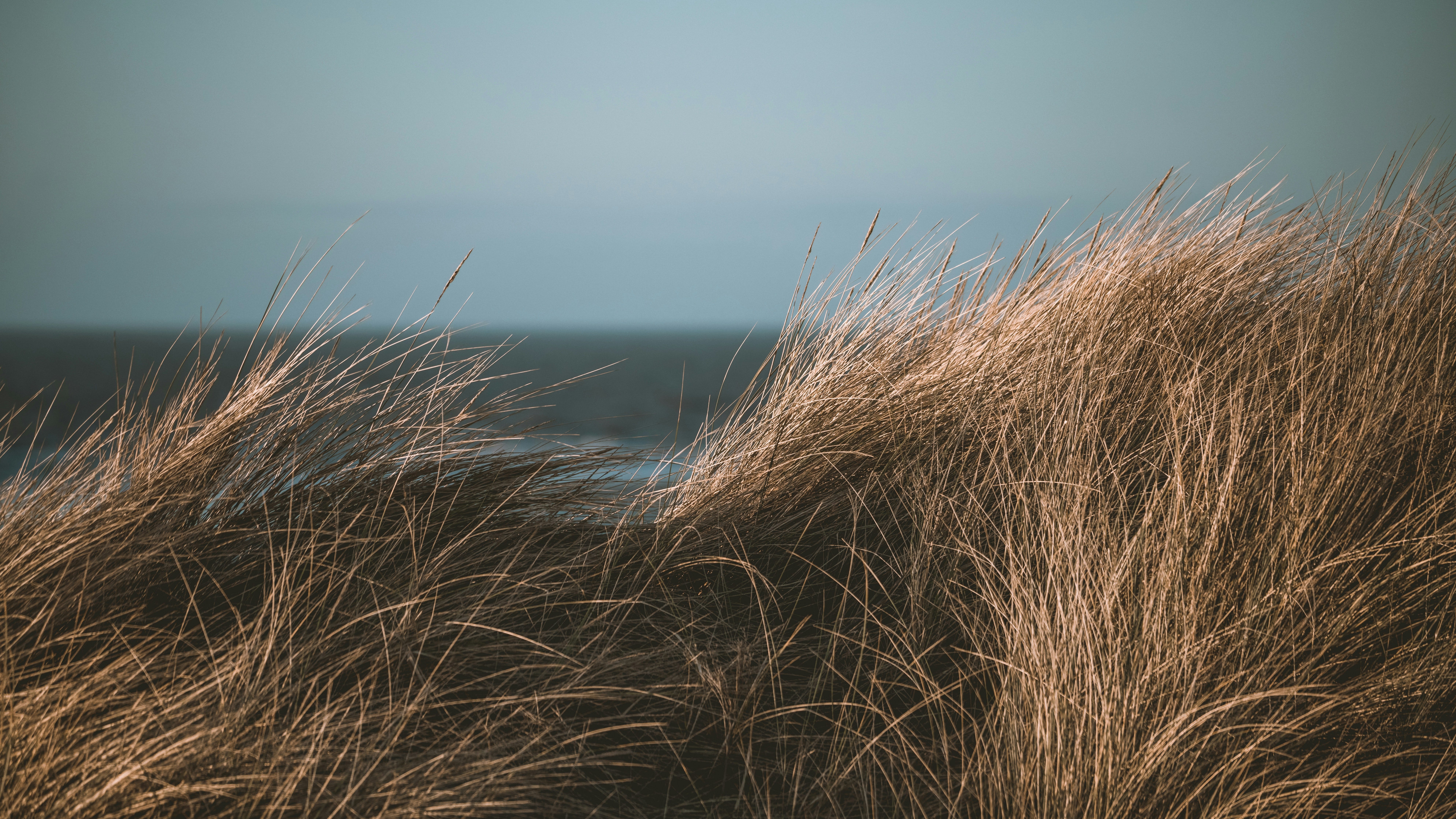
Walking on the hill at the back of the house, I happened to look down and there, right at my feet, were a pair of perfect, tiny, Rabbit ears—still held together with skin and fur. Everything else was gone. I stood frozen, because it was such a sweet and yet horrific and yet perfect thing to suddenly be gazing at. I stood a while, mesmerised, until the spell was broken by a Dog walker appearing alongside me and, quite theatrically, proclaiming how awful it was and how we must kick them into the long grass; lest a child see them. We recoil from parts of nature as we recoil from parts of ourselves, and I suspect this is one and the same recoil. We flinch from decomposition because we are decomposition. We flinch from the animal, bodily, messy biological truth of things because we are that truth and we’ve been taught that it’s somehow wrong—but it is so far from wrong. The exchange between matter and microbes is evidence of a living world that never erases, only transforms. The turning of a body back into the world is a sacred act of participation, and it threatens the myth that we are not, like the trees, each destined for soil—ash—smoke.
Living beings do not become organic matter at Death; they simply become undeniably so. Death is our ultimate participation in life, because it marks our completion of it. It is the moment when the illusion of separateness finally fails, and the boundary dissolves into everything. And so, the Crocuses rise and the Song Thrush sings, as though none of this is strange at all: to arrive, to belong, and to one day be reclaimed.
Yours in aimless flight…
If you find yourself drawn to this work but unsure where to go with it, or if you're looking for a space where you can explore mortality without having to mask:


As always, your words are my company on these Sunday mornings when they come through. Somehow, they visit me as though they have been sitting in on my ponderings, in what I am listening to, in the book that I am reading and in the very conversations I am having with myself. This illusion of separateness that I yearn to talk about is often one I hold myself back from. Not having practiced the words for it, and being wary of others where they are not practiced in hearing them, is a bit of a threshold for me. You are good company, Chloe. Thank you, again and again, for making me feel at home.
“Living beings do not become organic matter at Death; they simply become undeniably so.”
That line. I had to reread it a few times. It feels like a door opening onto something both obvious and completely radical. Undeniably so. As if death is not an erasure but a revealing. The final honesty.
It makes me think about how much of life is spent trying to be something slightly edited, slightly more acceptable, slightly less messy. And then at the end, there’s no performance left. Just matter returning, participation completing itself.
I don’t know, it’s strangely comforting. Like the world isn’t keeping score, it’s just… receiving.